Ingredients
Method
- Prepare the pan and the oven. Heat the oven to 180°C (350°F) conventional (top and bottom heat), or 160°C (320°F) fan. Line a standard 12-hole muffin tin with paper cups, or grease the hollows thoroughly (check the label of the fat you use if you grease).
- Beat the wet ingredients. In a mixing bowl, beat the eggs, sugar, vanilla sugar and salt for about 2 minutes until creamy and foamy. Then stir in the oil, the quark and, if using, the lemon zest until smooth.
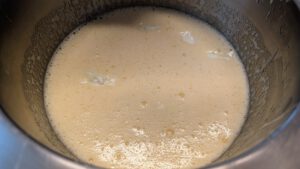
- Add the flour mix. Mix the Schär Mix C thoroughly with the gluten-free baking powder and add it to the quark and egg mixture. Because there is no gluten, the source says the batter cannot turn tough from stirring: mix it vigorously for 30 to 60 seconds until completely smooth and free of lumps.
- Let the batter swell. Rest the batter for about 3 to 5 minutes so the gluten-free starch can bind the liquid. If it is very stiff afterwards (especially with low-fat quark), stir in 1 to 2 tbsp (15 to 30 ml) milk or sparkling water until it falls from the spoon in heavy ribbons.
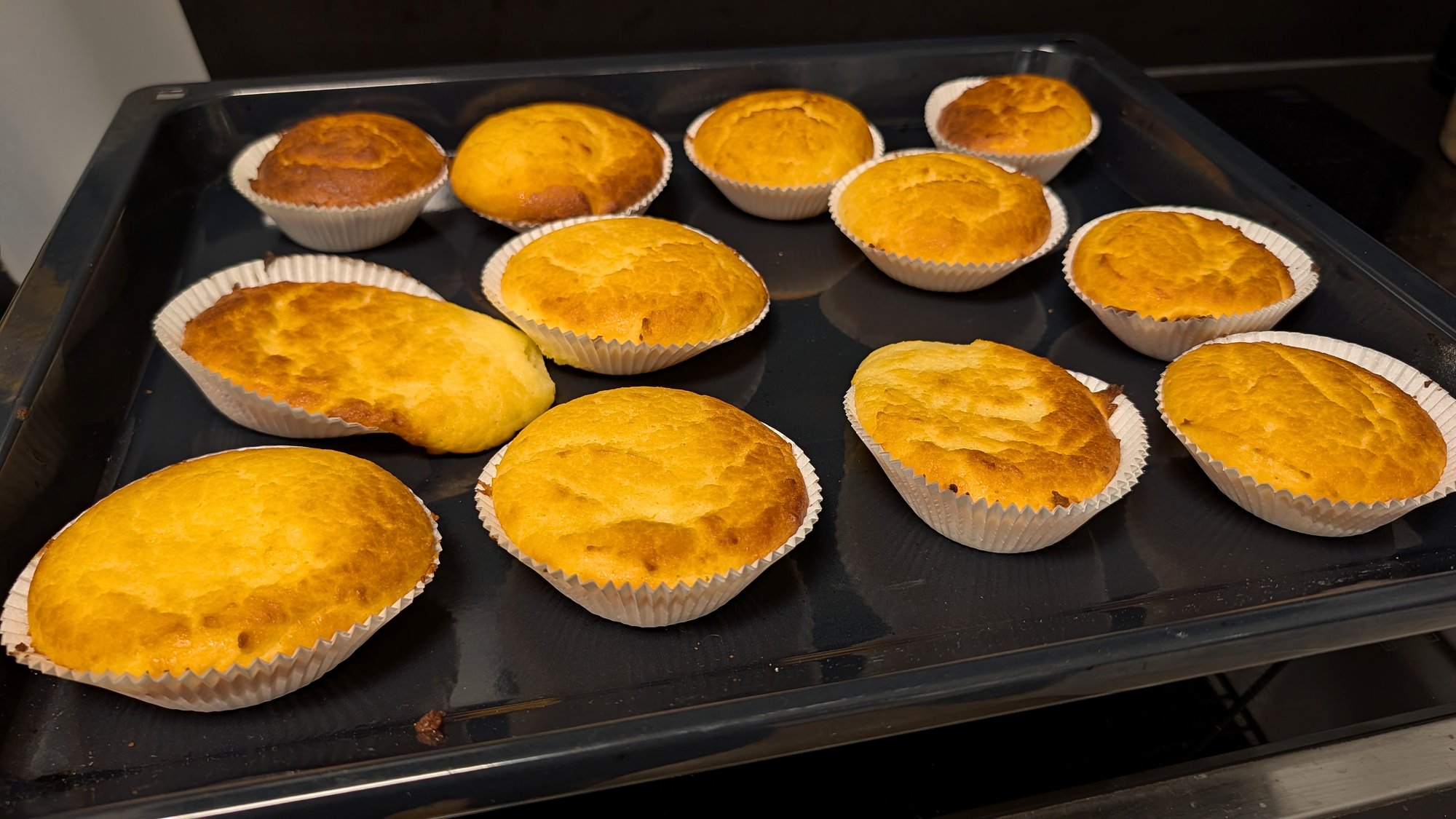
- Fill and bake. Divide the batter evenly among the 12 muffin cups. Bake on the middle rack for 20 to 25 minutes until golden. Toward the end of the baking time, do a skewer test.
- Cool. Let the muffins rest in the tin for 5 minutes; warm gluten-free muffins are still very soft and fragile. Then take them out and let them cool completely on a wire rack.
Notes
Gluten check: use Schär Mix C and check the label of the exact product. Check the baking powder, vanilla sugar (or extract), any chocolate drops and the fat used for greasing on their labels too, and use clean tools and a clean tin. This is a reminder to read labels, not a guarantee or certification.
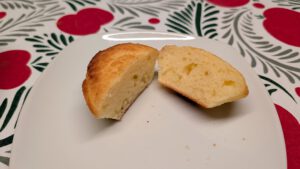
Flour choice (source): 1st choice Schär Mix C, which already contains locust bean gum as a natural binder. Alternative: Schär Mix It! Universal; if the batter seems firmer, stir in 1 to 2 tbsp (15 to 30 ml) extra milk. Not recommended: Schär Mix B (bread mix), made for yeast dough, which makes batter muffins compact and firm.
Quark: use 20 % fat quark (fat in dry matter, about 5 g fat per 100 g), at room temperature. Half low-fat quark and half 40 % cream quark is an equal alternative and gives the same 20 %. With low-fat quark the batter is firmer after resting and may need the extra milk or sparkling water.
Variation, berries: gently fold 150 g fresh blueberries or raspberries into the batter. Tip for frozen berries: toss them, still frozen, in 1 tbsp of the flour mix so they do not sink.
Variation, chocolate: stir 100 g gluten-free, bake-stable chocolate drops into the finished batter. Check the label of the chocolate.
Storage: airtight at room temperature the muffins stay moist for 2 to 3 days according to the source. Quark is fresh dairy, so in a warm kitchen it is safer to keep them in the fridge or freeze them (our caution, not from the source).
Freezing (source: very well suited): cool completely, freeze in an airtight freezer bag or container for up to 3 months.
Thawing or reheating (choose one): either thaw the muffins for 1 to 2 hours at room temperature, or, recommended by the source, put them in frozen and bake for 8 to 10 minutes at 150 to 160 °C (300 to 320 °F) in the oven or in an air fryer. Alternatively warm one muffin for 20 to 30 seconds in the microwave on medium. Reheating makes the crumb fluffy and soft again.
Use a muffin tin: the muffins in the photos were baked in double paper cups on a flat baking sheet, and that did not really work out, as the batter spread wide and the shapes came out uneven. The recipe is written for a standard 12-hole muffin tin, which keeps the muffins in shape, so please use one.
The photographed batch was made with double the quantity (500 g quark, a mix of equal parts 40 % cream quark and low-fat quark). The amounts on this page are for 12 muffins, as in the source.
Nutrition values are an estimate calculated from the ingredient list, not a lab analysis. They count the base recipe for 12 muffins without the optional zest, milk or water and without the variations.